While the necessity of a national timetable was obvious, it raised one fundamental and thorny question: what time is it?
.
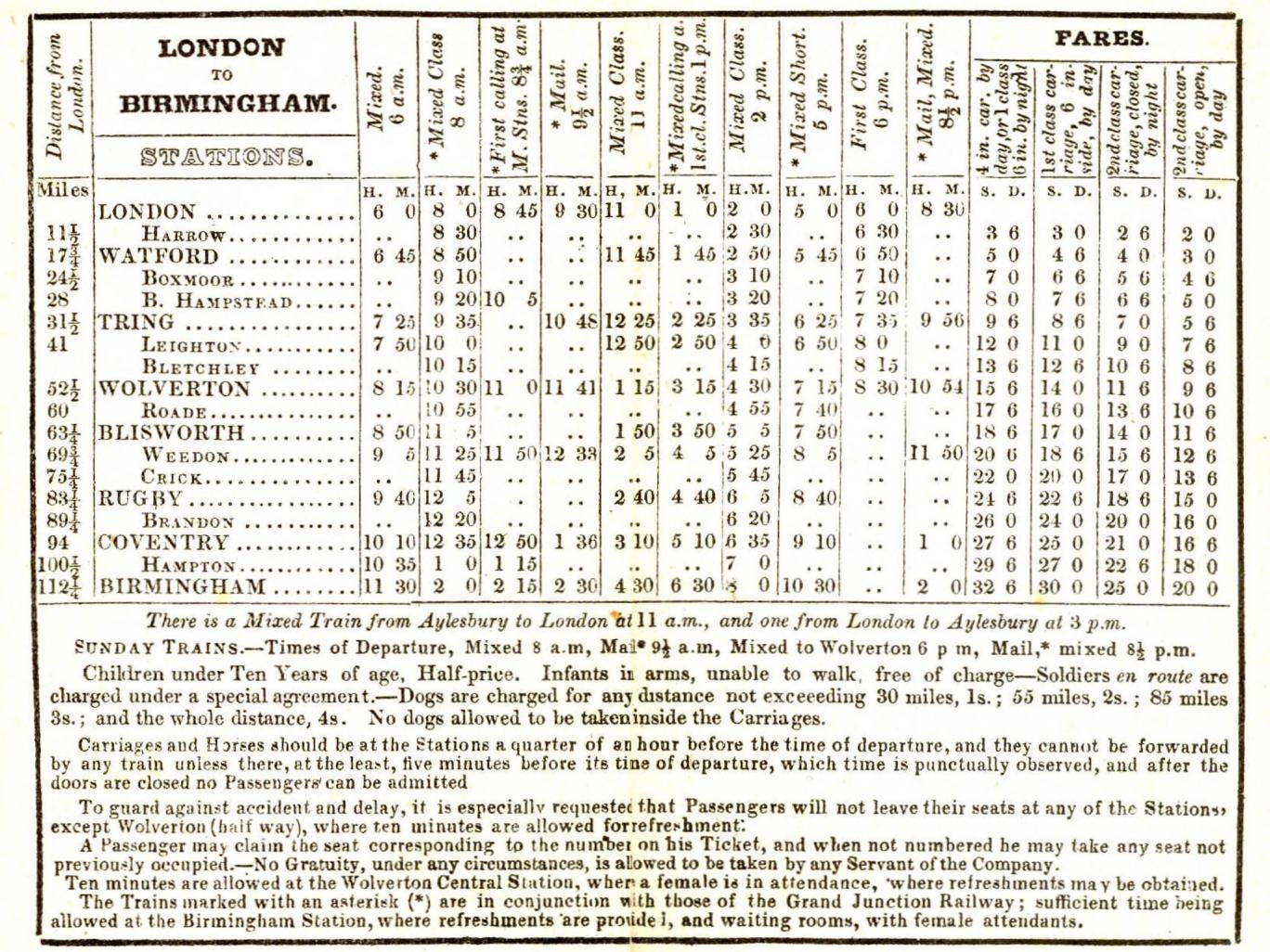
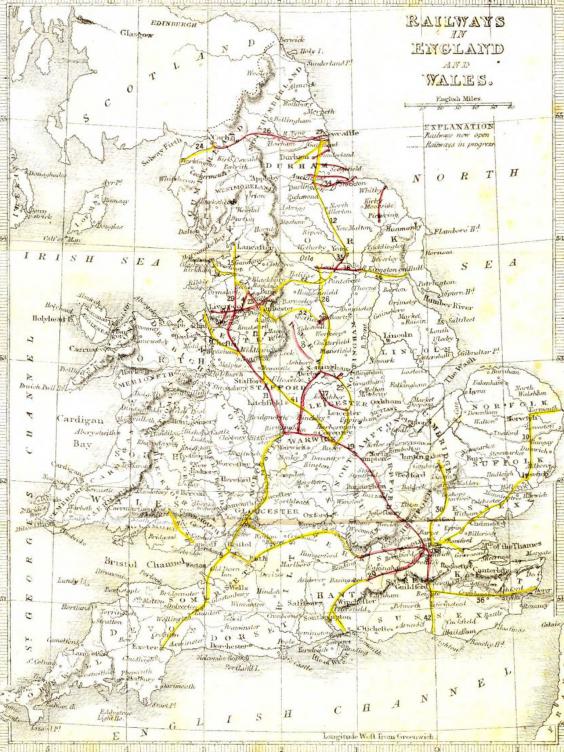
The 1830s saw a boom in railway building in England, as local companies seized their chance to establish themselves within a burgeoning national rail network. A national timetable, however, did not appear until this weekend in 1839. Bradshaw’s Railway Time Tables, which included train times for both the north and south along with an “Assistant to Railway Travelling with Illustrative Maps and Plans”, aimed to rein in rampant confusion within an uncoordinated system. “The necessity of such a work is so obvious as to need no apology,” wrote Bradshaw in the introduction.
.
.
In 1839, time was set locally according to the sun, so when a train left London at 6pm it was already 6.05pm in Oxford
.
But while the necessity of a national timetable was obvious, it raised one fundamental and thorny question: what time is it? Back then, time was set locally according to the sun, so when a train left London at 6pm it was already 6.05pm in Oxford. One local railway guide of the era included an addendum indicating the number of minutes to be added or subtracted en route, so Tring was “2m slower than Euston” but “5m faster than Birmingham”. Prior to the railway era, these differences weren’t much of an issue. But now, travellers found that their watches were hopelessly unsynchronised.
.
In November 1840 the Great Western Railway imposed Greenwich Mean Time (GMT) on its stations, and by September 1847 “Railway Time” was used across the network. As a consequence, local time was no more. By 1855, 98 per cent of British towns were using GMT.
Source – independent
Disclaimer: Disclaimer: The Information, News, Videos, Articles, and other content provided on this platform have been collected, compiled, or referenced from various sources available in the public domain. We believe that “Knowledge Is Power” and our aim is to create general awareness among people and make useful information easily accessible to everyone. While we make reasonable efforts to present information accurately and responsibly, we do not guarantee that all information, news, videos, or other content published on this platform is complete, current, or free from errors. Users are advised to independently verify important information from official or authoritative sources before relying upon it or taking any action based on it. NOTE: The content on this platform is intended for general information and awareness purposes only and should not be considered as professional, legal, financial, medical, or official advice. Knowledge Hub Information Center does not assume responsibility for any loss, damage, or consequence arising from reliance on information published on this platform.














 Video
Video